

Reviewed · POMPEII DAY TRIPS FROM SORRENTO
Private Pompeii Tour with Archaeologist & Winery on Mt Vesuvius
Pompeii feels personal on this private guided day. You get a private archaeologist-led route tuned to what you want, with Pompeii ticketing handled so you spend less time in lines and more time seeing the right places. I also love the five-wine winery lunch on Mt Vesuvius, because it turns the day from sightseeing into a proper meal with views. The main catch is that even with a smart route, you are still walking a lot around ruins, so plan for moderate fitness and comfy shoes.
This is a classic “Sorrento area, done right” day. Fabrizio Belleni (Leisure Italy Private Guide) runs the show, and his approach is to ask for your requests and physical pace, then shape the walk around the Forum area highlights, rather than forcing a one-size-fits-all loop. You’ll ride in an A/C Mercedes van with pickup and drop-off from Naples and Sorrento, plus a mobile ticket, which takes a lot of friction out of the logistics.
Here’s how the day flows: start at Pompeii with skip-the-line entry, cover the big Forum power spots and key buildings, then wrap with the Cantina del Vesuvio winery for lunch and wine. One more thing to know up front: this tour visits the winery inside Mt Vesuvius National Park, but it does not reach the top of Mt Vesuvius.
In This Review
- Key highlights to know before you go
- Pompeii plus a winery, from Sorrento, is a smart combo
- Price and value: what you pay for, and what costs extra
- Getting there: Mercedes van pickup and skip-the-line entry
- Pompeii’s dramatic entrance: Porta Marina and the path into the city
- Forum power stops you will not want to miss: Basilica, Apollo, and the main plaza
- The Pompeian Basilica: courthouse and business engine
- Temple of Apollo: old sacred ground and a Vesuvius view
- The Forum plaza itself: Pompeii’s car-free civic center
- How people ate, bathed, and shopped: Macellum and Forum Baths
- Macellum: Pompeii’s covered food market
- Forum Baths: Roman engineering and social life
- Elite lives up close: House of the Faun and House of the Vettii
- House of the Faun: big scale and famous art
- Casa dei Vettii: the “Sistine Chapel” effect after restoration
- Seeing Pompeii from different angles: Insula dei Casti Amanti and Teatro Grande
- Insula dei Casti Amanti: modern archaeology you can see
- Teatro Grande: acoustics and social hierarchy
- Antiquarium di Pompei: the museum stop that makes the ruins hit harder
- Cantina del Vesuvio on Vesuvius side: vineyard stroll, then lunch with five wines
- How long it takes, and who this private tour is best for
- Should you book this private Pompeii and Vesuvius winery tour?
- FAQ
- Is Pompeii admission included, or do I need separate tickets?
- Does the tour include lunch and wine at the winery?
- Does this tour reach the top of Mt Vesuvius?
- How do pickup and drop-off work?
- How long is the tour?
- What fitness level do I need?
- Can I cancel and get a full refund?
- Should you book this private Pompeii and Vesuvius winery tour?
Key highlights to know before you go
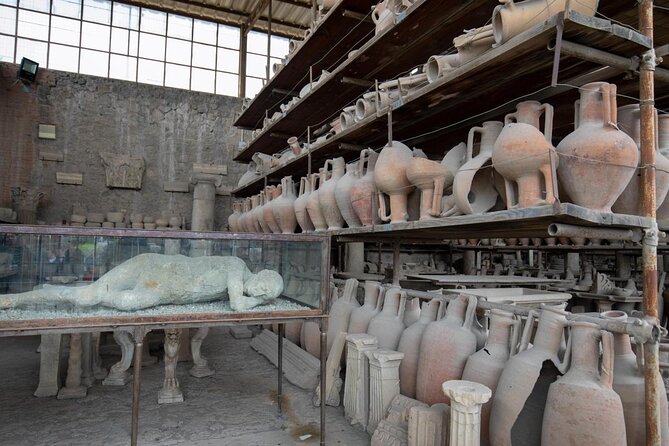
- Pompeii route focused on Forum highlights so you see the city’s main idea fast
- Skip-the-line Pompeii admission handled so you do not burn time at the ticket desk
- A real archaeologist guide, Fabrizio Belleni, who adjusts the pace and plan to you
- Five wines with lunch at Cantina del Vesuvio, with views of the Bay of Naples and Vesuvius crater area
- A mix of public life and elite homes (markets, baths, theatres, and famous houses)
- Antiquarium di Pompei included for context before you walk the streets
Pompeii plus a winery, from Sorrento, is a smart combo
Pompeii is already a full day for most people, even when you only try to see the highlights. The best way to make it feel manageable is to pair it with a plan that reduces stress. That is exactly why this tour works: you get private transfers in a Mercedes van, Pompeii admission sorted in advance, and a guide who steers you through the most meaningful sights around the Forum.
And then you get the reset button. After the heavy emotions Pompeii can bring, you end with lunch at an organic winery in the Mt Vesuvius National Park area. It is not just a glass of wine, it is a full set menu with wine pairing and a guided stroll through vines, so the day ends on a warm, social note.
The result is a trip that feels like you are learning the city, not just clicking through it.
Price and value: what you pay for, and what costs extra
The price is listed at $434.46 per person for a private tour. In this price range, what you are really buying is time and hassle reduction.
You get:
- private transport in an A/C Mercedes van with pickup and drop-off from Naples and Sorrento
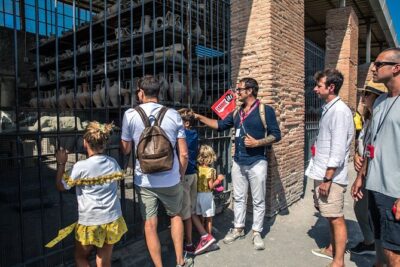
- a private walking tour with an archaeologist guide
- Pompeii Express skip-the-line tickets handled for you
- the Pompeii walking portion and major highlights included
What is not included is the winery lunch package. The Cantina del Vesuvio experience is paid on site. Based on the tour notes you’ll see two related figures for the winery portion: it is listed as €55 per person for the classic package (or €65 for superior wine upgrade), and another line item notes €50 for classic wine tasting or €60 for superior wine experience. Either way, you can treat it as a winery meal and tasting add-on you’ll pay in cash or by card at the venue.
One practical value tip: if you are going to spend the day in Pompeii anyway, a private guide and pre-arranged entry can be the difference between a calm visit and a rushed one. If your group includes people who want detail, history, or pacing flexibility, this option usually makes more sense than cobbling together buses, tickets, and a generic audio guide.
The volcano that buried Pompeii is still active
- Priority Access Pompeii & Mt. Vesuvius Full day from Sorrento
★ 4.5 · 1,376 reviews - From Sorrento: Pompeii and Vesuvius Guided Tour with Lunch
★ 4.8 · 683 reviews - From Sorrento: Day Tour to Pompeii Ruins and Mount Vesuvius
★ 4.3 · 489 reviews - From Sorrento: Pompeii and Vesuvius Tour
★ 4.5 · 201 reviews
Getting there: Mercedes van pickup and skip-the-line entry
A big part of enjoying Pompeii is not starting your day frazzled. This tour includes pickup and drop-off, and it is done by Mercedes minivan with A/C from either Naples or Sorrento. You also get the added comfort of planning done in advance: mobile ticketing and skip-the-line Pompeii Express entry.
In plain terms, this means you can show up, meet your guide, and start walking instead of spending your best morning bargaining with ticket windows.
Bring the basics you’d expect for ruins:
- solid walking shoes
- water, especially in warm months
- sun protection
Moderate fitness is recommended, and the walking is focused on highlights near the Forum, but Pompeii is still spread across a large archaeological site. The day is built around a smart route, not a no-walking promise.
Pompeii’s dramatic entrance: Porta Marina and the path into the city
You begin at the Archaeological Park of Pompeii, and the walk is tuned to your requests and physical attitude. Pompeii is about 150 acres, and it once held roughly 18,000 inhabitants. The route is designed to help you understand the city’s layout by starting where you can immediately picture movement and access points.
Stop by Piazza Porta Marina, Pompeii’s main sea-side access area. Porta Marina is a dual-arched gate built for both pedestrians and cart traffic, tied into the defensive walls. Standing here and walking up Via Marina gives you a sense of how the city was connected to the sea, and how quickly you are guided toward the administrative and religious core, including the Forum area.
From a practical standpoint, this is a strong opener because it helps your brain build orientation fast. You go from seeing ruins as scattered walls to seeing them as a working city.
Forum power stops you will not want to miss: Basilica, Apollo, and the main plaza
The heart of the tour is the Forum zone, where Pompeii’s public life lived. You’ll spend time at key buildings, and you’ll see how Roman architecture supported everyday business, politics, and religion.
More local pours before dinner
The Pompeian Basilica: courthouse and business engine
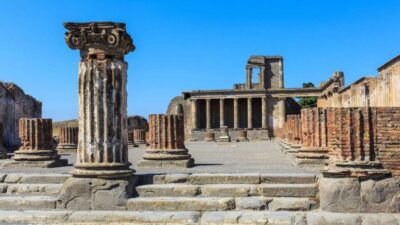
You’ll walk through the Basilica Pompeiana, a massive three-aisled building that functioned as the city’s main courthouse and a hub for commerce and transactions. It dates back to the 2nd century BC. What you’ll notice is how its raised tribunal platform anchors the space, with magistrates presiding from a commanding position.
It is also a great “architecture with meaning” stop. Instead of only admiring stone, you connect the design to how people settled disputes and handled trade.
Temple of Apollo: old sacred ground and a Vesuvius view
Next is the Temple of Apollo, one of the oldest sites in the Forum area, with roots going back to the 6th century BC. The temple reflects a blend of Greek and Italic influences, and it sits against a dramatic backdrop where you get a classic view toward Mount Vesuvius.
If you care about atmosphere, this stop is excellent. Between the portico of columns, the elevated podium, and the preserved marble altar, you see how Pompeii’s elite and public spaces coexisted with religious symbolism.
The Forum plaza itself: Pompeii’s car-free civic center
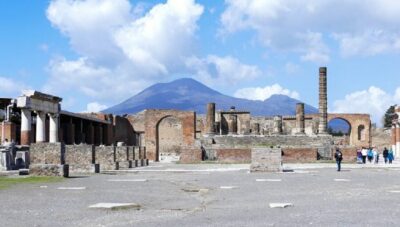
Then you step into the Forum of Pompeii, the bustling political, commercial, and religious core. This broad, rectangular plaza was car-free in Roman times and worked like a daily gathering point. You’ll walk the travertine paving stones and look at the remaining pedestals where statues once stood.
The guide angle here matters. The Forum does not just look important, it was important for markets nearby, legal activity, and public ceremonies. And with Vesuvius looming to the north, it becomes easy to picture how the city’s geography shaped its sense of place.
How people ate, bathed, and shopped: Macellum and Forum Baths
If you want Pompeii to feel like a real place, you need stops that show routine life. These two deliver.
Macellum: Pompeii’s covered food market
The Macellum was the city’s main covered market. Located in the northeast corner of the Forum area, it had a courtyard with a circular tholos pavilion. Remains found in the drainage system point to fish cleaning and seafood trade.
You’ll also see how the market connected commerce and state religion, including a shrine dedicated to the imperial family. And since it has preserved frescoes and a mensa ponderaria used for official weights and measures, this is where you can understand fair trade in a world without modern scales.
If you like “small details that make a place believable,” this is one of your best stops.
Forum Baths: Roman engineering and social life
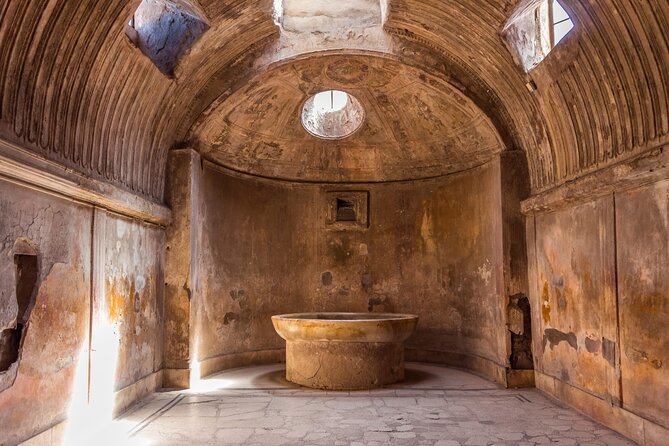
Then head to the Forum Baths (Terme del Foro). This complex is special because it was the only one still fully operational during the 79 AD eruption. You’ll move through the apodyterium (changing room), frigidarium (cold bath), tepidarium (warm room), and calidarium (hot room).
What makes it memorable is the sequence. You see the engineering logic of Roman heating through hollow walls and floors (hypocaust), and you can even notice elements used for heat. Restoration work also makes the women’s section viewable, with frescoes that help you understand the baths as both a wellness stop and a place to socialize and exercise.
Drawback to plan for: baths areas can be visually busy, and the walk keeps moving. If you want extra time for photos, tell your guide early so they can slow down at the right spots.
Elite lives up close: House of the Faun and House of the Vettii
Pompeii has an easy habit of making you think every house is small. These two stops correct that fast.
House of the Faun: big scale and famous art
The House of the Faun (Casa del Fauno) is one of Pompeii’s largest luxury residences, spread across an entire insula. It is famous for peristyle gardens and atriums, and it features iconic artworks, including the Dancing Faun bronze statue and the Alexander Mosaic.
The originals are mainly in the Naples Archaeological Museum, but walking through the complex still gives you the key experience: the sheer scale of how wealthy Romans lived. You also see the Second Style fresco approach and geometric floor patterns that help explain why elite homes were status machines.
Casa dei Vettii: the “Sistine Chapel” effect after restoration
Next is the Casa dei Vettii, famous for striking Fourth Style frescoes and recently reopened after a 20-year restoration. It was owned by two brothers who rose from slavery to become wealthy merchants, and the house includes an entry painting associated with prosperity.
This stop is built around art and symbolism, including the peristyle garden space and room scenes that reflect trades and myth. If you love interiors and fine detail, this is where your eyes slow down naturally.
Seeing Pompeii from different angles: Insula dei Casti Amanti and Teatro Grande
Not every Pompeii visit should only be “look at the buildings.” These stops add a research angle and a performance angle.
Insula dei Casti Amanti: modern archaeology you can see
The Insula dei Casti Amanti area connects you to ongoing discovery. It reopened to the public in 2024 and includes an innovative elevated walkway system. You can take in an overview “from above” while excavations continue below.
This is a valuable stop because it reminds you the story is still being written. It also helps if you are tired, since the raised route can offer easier viewing compared with constant ground-level walking.
Teatro Grande: acoustics and social hierarchy
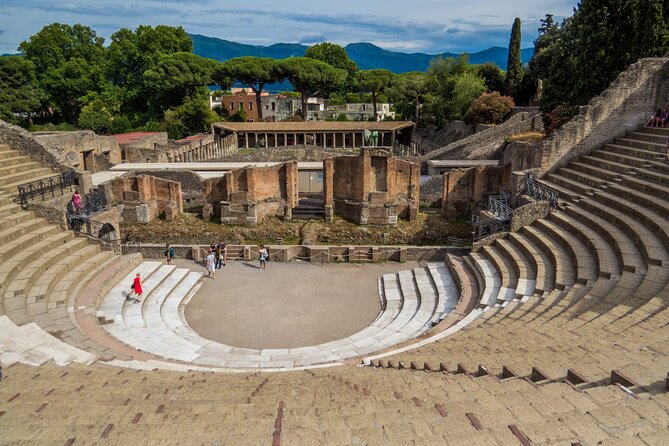
Then comes the Teatro Grande, a horseshoe-shaped theatre carved into a natural hillside that once seated about 5,000. You can see how seating sections matched social hierarchy, with the ima cavea for local elites and higher areas for the general population.
It is also one of the most fun stops for your brain to understand. The theatre’s acoustics are famous enough that you can test the sound by speaking from the orchestra area. If you want a break from staring at stone, this theatre gives you a sense of how sound and crowd energy worked.
Antiquarium di Pompei: the museum stop that makes the ruins hit harder
Before you end the Pompeii portion, you visit the Antiquarium di Pompei at Porta Marina. This is a climate-controlled museum that houses fragile artifacts and gives you a guided timeline from pre-Roman Samnite roots to the 79 AD tragedy.
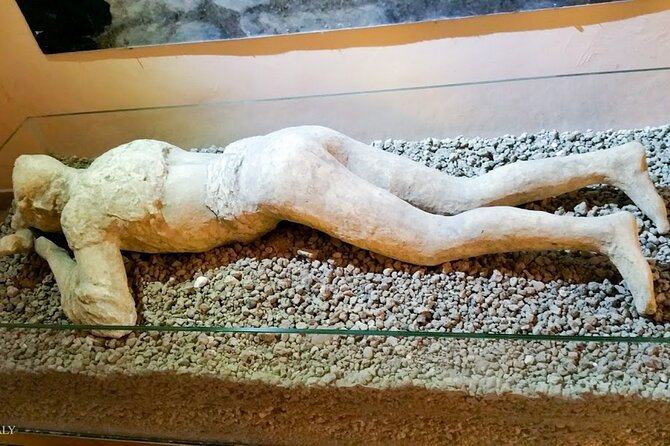
What you’ll see includes major treasure items like the Moregine silver treasure and hoards of small objects and amulets. You’ll also notice plaster casts, including famous “frozen in the final moments” examples and the Dog of Pompeii casts.
I find this kind of museum stop helpful because it gives your eyes something to attach to. When you walk out into the ruins after seeing casts and artifacts, the buildings start to feel less like a stage set and more like a lived environment.
Cantina del Vesuvio on Vesuvius side: vineyard stroll, then lunch with five wines
After Pompeii, you transfer to the winery area in Mt Vesuvius National Park. The drive is typically short, and the big win is that you trade museum dust for fresh air and a food break.
At Cantina del Vesuvio Winery Russo Family since 1930, the day starts with a guided 15-minute stroll through the vineyards. You learn about the Lacryma Christi wine idea, and then you settle into the set menu lunch paired with five local wines.
The food is classic Neapolitan:
- appetizers like bruschetta, cheeses, and cured meats
- spaghetti with Vesuvius cherry tomatoes and meatballs
- Neapolitan Pastiera for dessert, with vegetarian and gluten-free options available
The views are part of the package. You get the Bay of Naples and the Vesuvius crater area in sight lines from the winery setting. This is also where the day’s pacing makes sense. Pompeii gives you intensity, then the winery gives you a slower rhythm.
Two practical notes:
- Lunch and wine pairing are paid on site by card or cash.
- This does not include reaching the top of Mt Vesuvius, so if that is your must-do, you’ll need a different plan.
How long it takes, and who this private tour is best for
Duration is listed as 4 to 7 hours (approx.), and since this is private, the exact pace depends on how long you spend at each stop and how you adjust based on your group’s interests and comfort level.
This tour fits well if:
- you want a private archaeologist guide rather than a group scramble
- your group likes a mix of public buildings, markets, baths, and elite houses
- you care about Pompeii but also want a relaxed, well-timed meal at the end
- you are staying in Sorrento or Naples and want transfers handled
It may not be your best match if:
- you want maximum time for photo stops with no guided pacing
- you specifically need to go all the way to the top of Mt Vesuvius (this option does not)
Should you book this private Pompeii and Vesuvius winery tour?
Yes, if you want Pompeii organized for real understanding, not just box-checking, and you like the idea of ending with lunch and wine in a volcanic landscape. The value is strongest when you factor in private transport, Pompeii ticket handling, and a guide who adjusts the walk to you.
If your group is fit and excited about detail, you’ll love how the stops connect into one clear story, from Porta Marina into the Forum’s civic core, then out to markets, baths, elite homes, and theatres. If you do not want any walking or you dream of the crater summit, you’ll want a different format.
FAQ
Is Pompeii admission included, or do I need separate tickets?
Pompeii entry is handled for you with skip-the-line Pompeii Express tickets. The tour notes also specify admission ticket coverage for the Pompeii stops.
Does the tour include lunch and wine at the winery?
The winery lunch and wine tasting are not included in the base tour price. Fabrizio handles the booking, and you pay on the spot. The winery package and wine option have listed prices around €50 to €65 depending on classic or superior choice.
Does this tour reach the top of Mt Vesuvius?
No. The tour does not reach the top of Mt Vesuvius. You visit the Cantina del Vesuvio area within Mt Vesuvius National Park.
How do pickup and drop-off work?
Pickup is offered, with private transportation by A/C Mercedes minivan, and drop-off is included. The exact pickup details are coordinated with you.
How long is the tour?
The Pompeii plus winery experience is listed as about 4 to 7 hours.
What fitness level do I need?
The tour calls for moderate physical fitness. You will be walking through Pompeii’s ruins, even though the route is focused on highlights around the Forum.
Can I cancel and get a full refund?
Yes. You can cancel up to 24 hours in advance for a full refund. Canceling less than 24 hours before the start time is not refundable.
Should you book this private Pompeii and Vesuvius winery tour?
Book it if you want the smoothest version of this day trip: private guide, Pompeii entry handled, transfers taken care of, and a winery lunch with five wines that makes the experience feel complete. Skip it only if your top priority is reaching the Mt Vesuvius summit, or if your group wants a mostly low-walking visit.
A Day among the Ruins
- Sorrento: Skip-the-Line Pompeii Express Tour by Train
★ 4.8 · 2,038 reviews - Pompeii Express Guided Tour by Train from Sorrento
★ 4.5 · 770 reviews - Skip-the-Line Pompeii Guided Tour from Sorrento
★ 4.5 · 722 reviews - Pompeii Ruins Half-Day Tour from Sorrento with Guide
★ 4.0 · 714 reviews
New on the Sorrento coast





Pompeii Day Trips from Sorrento, compared.
Priority Access Pompeii & Mt. Vesuvius Full day from Sorrento
Read our review →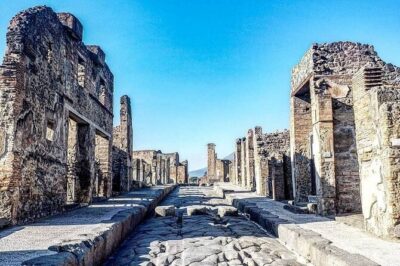
Pompeii Express Guided Tour by Train from Sorrento
Read our review →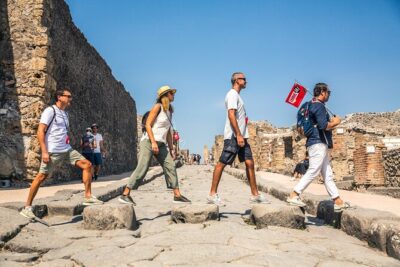
Skip-the-Line Pompeii Guided Tour from Sorrento
Read our review →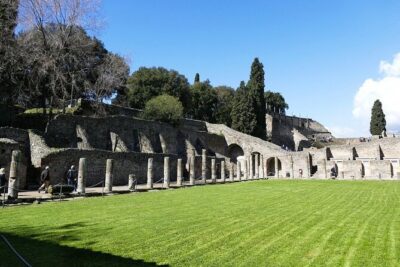
Pompeii Ruins Half-Day Tour from Sorrento with Guide
Read our review →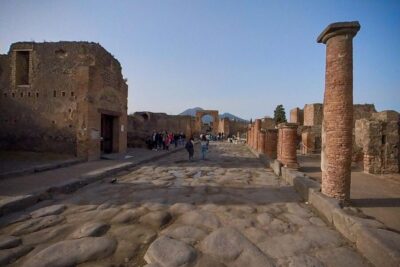
Pompeii and Vesuvius Guided Tour with Lunch
Read our review →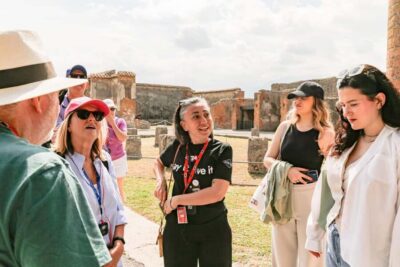
Day Tour to Pompeii Ruins and Mount Vesuvius
Read our review →Browse the lists this tour appears in